
IT Lab Summer Cybersecurity Fellowship gives future security and privacy leaders a front-row seat to the field
Michael Cunningham
Jul 9, 2026
Source: David Cochran
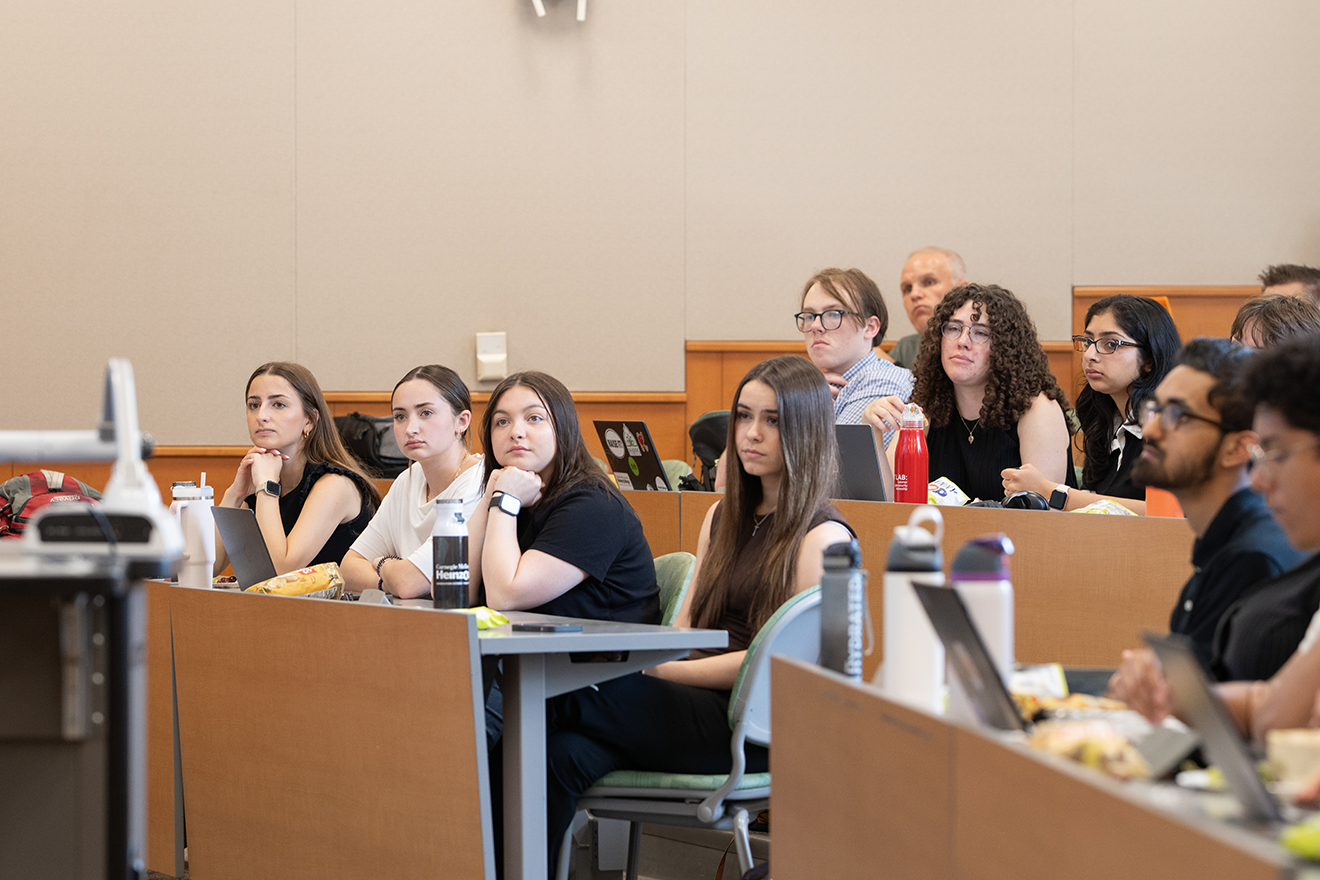
IT Lab students attend a Lunch & Lean speaking series event with Lorrie Cranor on July 1, 2026
As cyber threats continue to grow in scale and complexity, preparing the next generation of cybersecurity professionals requires more than just classroom instruction.
Carnegie Mellon University's IT Lab Summer Cybersecurity Fellowship gives undergraduate students an opportunity to experience the field firsthand through graduate-level coursework, collaborative projects, and conversations with leaders shaping the future of cybersecurity research, policy and practice.
This summer, the seven-week program welcomed 40 students from 28 universities and colleges across the United States to the Carnegie Mellon campus. Participants explore academic programs in cybersecurity, artificial intelligence, and information technology while building professional networks with researchers, government officials, and industry experts.
“We want to start exposing students to opportunities for careers in those fields, but also research opportunities, and eventually encourage them to consider further higher education related to information security,” said Randy Trzeciak, director of IT Lab and Carnegie Mellon's Master of Science in Information Security Policy & Management (MSISPM) program. “We hope they come here, they like the coursework, they benefit from the project experience, they begin to network during the Lunch and Learn speaker series, and they begin to see the opportunities that are available.”
That exposure comes at an important time. Despite growing interest in cybersecurity, employers continue to face a significant workforce shortage, with more than one million cybersecurity positions estimated to be unfilled across the United States. While technical knowledge is essential, Trzeciak said successful cybersecurity professionals also need the ability to analyze risk and think creatively to make informed decisions.
“Cybersecurity is about prevention, detection, and response,” said Trzeciak. “Those skills will be valuable whether you decide to go into a financial institution, a health care organization, or critical infrastructure. We try to build critical-thinking skills where students can make risk-based decisions with the information they have available.”
The fellowship reflects Carnegie Mellon's interdisciplinary approach to cybersecurity education. Although many participants ultimately pursue Heinz College's MSISPM program, they are also introduced to research and graduate education across the university through faculty presentations and networking opportunities.
Since Trzeciak began leading the program in 2015, more than 260 students have graduated from the program, with approximately 40 percent of IT Lab students later enrolling in graduate programs at Carnegie Mellon.
Source: David Cochran
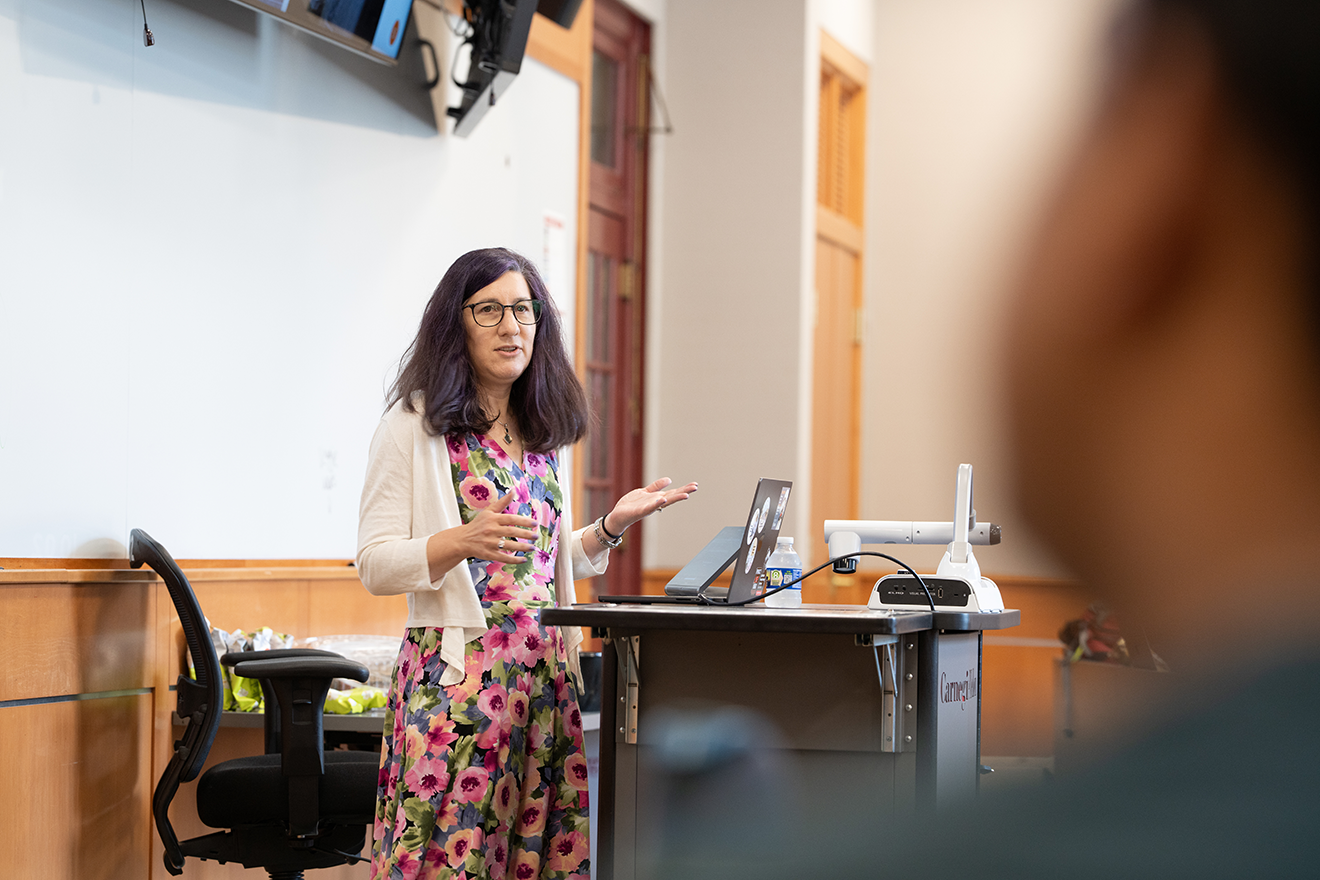
Lorrie Cranor, CyLab director, shares a presentation during her IT Lab Lunch & Learn series event on July 1, 2026
One highlight of this year's Lunch & Learn speaking series was a visit from Lorrie Cranor, director of the CyLab Security and Privacy Institute, who shared how a career driven by curiosity can shape technologies and policies used by millions of people.
Drawing from decades of work in academia, industry, and government, Cranor walked students through the evolution of modern privacy research, highlighting her contributions in areas ranging from internet voting and online privacy policies to password security, consumer protection, and public policy.
“When I was working on my doctoral degree, I attended the Computers Freedom and Privacy Conference, and it was amazing,” said Cranor. “I found out all about policy people doing privacy and security and internet freedom work, and I thought, ‘I want to do this kind of work in my career.’”
Cranor encouraged the students to explore Carnegie Mellon's interdisciplinary research environment, where computer scientists, engineers, policy experts, and behavioral researchers work together to solve complex security and privacy challenges.
For Trzeciak, those interactions are among the fellowship's most valuable experiences. Many students arrive with an interest in cybersecurity but only a limited understanding of the breadth of careers available to them. Hearing directly from researchers like Cranor helps broaden those perspectives.
“Students may not know they could work in the financial sector, health care, law enforcement, government, or research,” said Trzeciak. “The opportunities that CyLab and other CMU institutes can provide through the Lunch & Learn series and project opportunities are really about raising awareness, and getting students excited about areas they may never have thought about before.”
Learn more about the IT Lab Summer Cybersecurity Fellowship.